From access control to first aid and legal awareness, here are the 10 training modules every professional security guard in Nepal should learn, explained.
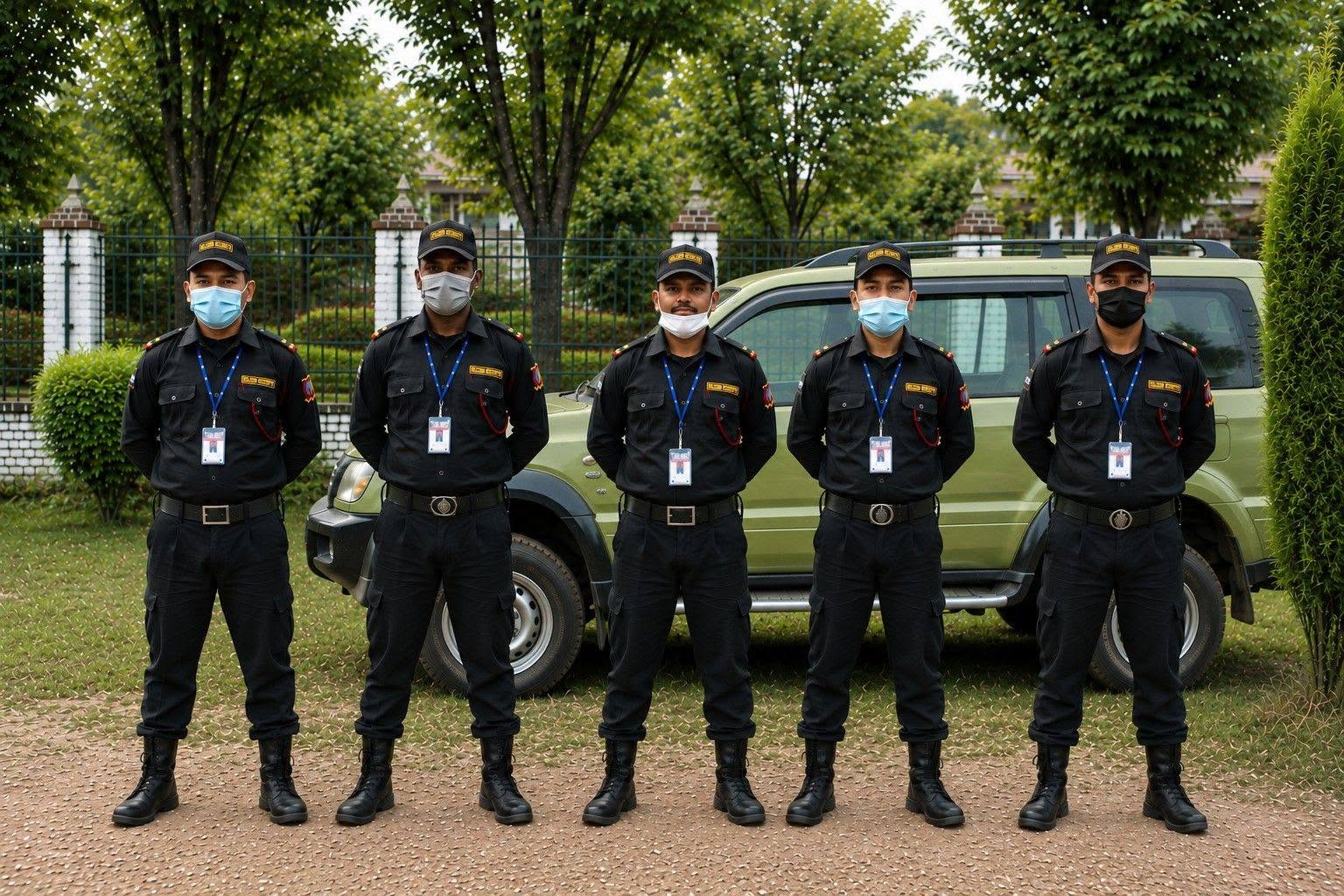
People often judge a security guard by the uniform and posture. Those matter, but what really protects a building is what the guard knows and does when something unusual happens. At Tilicho Security Service, every recruit goes through ten training modules. Here is what each one covers and why it matters on the job.
The foundation: principles, observation and access
1. Basic security principles
This module explains what a guard is actually there to do: deter, detect, delay and report. Guards learn that their main role is prevention, that they protect people first and property second, and that calm, visible presence stops many problems before they begin.
2. Observation and reporting
A guard has to notice what is out of place: a vehicle parked too long, a door left open, a person who keeps returning without reason. Equally important is writing it down clearly, with the time, place and what was seen, so that the client and supervisor can act on it.
3. Access control
Controlling who comes in is the heart of most guard posts. Guards learn to check identity, maintain visitor registers, issue passes, handle deliveries and screen bags, including practical use of hand-held metal detectors.
Communication and patrols
4. Communication skills
Guards speak with residents, staff, visitors, police and sometimes angry members of the public. This module covers verbal communication, written reports and radio use. Recruits practise with walkie-talkies so that short, clear radio messages become a habit.
5. Patrolling techniques
Guards learn both routine patrols, which cover every important point on a set schedule, and random patrols, which change timing and route so nobody can predict where the guard will be. Good patrolling means checking locks, lights, fences and hidden corners, not just walking around.
Safety and emergencies
6. Fire safety and extinguisher use
Guards are often the first to notice smoke, especially at night. They learn common fire causes, how to raise the alarm, how to choose the right extinguisher and how to use it. Recruits practise with real fire extinguishers rather than only watching a demonstration.
7. First aid and CPR
In an accident or sudden illness, the few minutes before help arrives matter. Guards learn basic first aid for cuts, burns, fractures and fainting, and how to perform CPR until medical help takes over.
8. Emergency response
This module covers accidents, natural disasters and security threats. In Nepal, earthquake readiness is essential: guards learn evacuation routes, assembly points, how to guide people calmly and what to check once shaking stops.
Conduct and responsibility
9. Legal awareness
A private guard is not a police officer. Guards learn the limits of their authority, how to respect people’s rights, when to call the police and why they must never use more force than a situation requires. Because rules can change, guards are taught to follow current guidance from the authorities and their supervisors.
10. Discipline and professionalism
Punctuality, a clean uniform, staying alert, not using the phone on duty and treating everyone politely are what clients notice every day. This module turns good habits into standard practice.
Why all ten matter together
No single module makes a good guard. A guard who can spot a problem but cannot report it clearly, or who knows first aid but panics under pressure, is only half prepared. The modules are designed to build on each other so that guards can handle the ordinary day and the rare emergency with the same calm.
If you want guards on your site who have been through this training, request guards from Tilicho Security Service. If you would like to learn these skills yourself, our free guard training is open to recruits.