Learn fire safety basics for buildings and guards in Nepal: the PASS method, choosing the right extinguisher type, and how to plan a calm and safe evacuation.
Fire can start anywhere: a kitchen in an apartment, an overloaded electrical board in an office, a generator room in a factory or a pile of waste at a construction site. Security guards are often the first people to notice smoke, especially at night when buildings are nearly empty. Knowing what to do in the first moments can save lives and property. This guide covers the basics every building manager and guard should know.
Prevention comes first
Most fires are preventable. During patrols, guards should look for:
- Overloaded sockets, loose wiring and extension cords run under carpets
- Fuel, gas cylinders or chemicals stored near heat or electrical equipment
- Rubbish, cardboard or packaging piled in stairwells and corridors
- Blocked fire exits or locked emergency doors
- Heaters, irons or cooking appliances left on in empty rooms
- Smoking in areas where it is not allowed
Report these immediately. A note in the logbook today can prevent a fire tomorrow.
Know your extinguisher types
Using the wrong extinguisher can make a fire worse. Always read the label before use. The common types are:
- Water: for ordinary materials like wood, paper, cloth and cardboard. Never use on electrical or oil fires.
- Foam: for ordinary materials and flammable liquids such as petrol or diesel.
- Dry powder (ABC): a versatile type for many fires, including flammable liquids and gases. It can reduce visibility in small rooms.
- Carbon dioxide (CO2): good for electrical equipment because it leaves no residue. Do not hold the horn, as it gets extremely cold.
- Wet chemical: designed for cooking oil and fat fires in kitchens.
Guards should know where every extinguisher on their site is kept, which type it is and whether its pressure gauge shows it is ready for use.
The PASS method
When a fire is small and you have a safe escape route behind you, remember PASS:
- Pull the safety pin.
- Aim the nozzle at the base of the fire, not at the flames.
- Squeeze the handle steadily.
- Sweep from side to side across the base until the fire is out.
Stand a safe distance away and move closer only as the fire shrinks. Watch the area afterwards, because fires can restart.
When not to fight a fire
Leave immediately and raise the alarm if the fire is spreading, the room is filling with smoke, you are unsure of the extinguisher type, or your exit could be blocked. No property is worth a life.
Raising the alarm and evacuating
A calm, practised evacuation matters more than any single extinguisher. Every building should have a simple plan:
- Raise the alarm loudly and early, then call the fire service
- Guide people to the nearest safe exit and keep them moving calmly
- Never use lifts during a fire
- Check toilets, store rooms and other places where people may not hear the alarm, if it is safe to do so
- Gather everyone at a fixed assembly point and count heads
- Meet the fire service at the gate and tell them what you know
Practise the plan with residents or staff from time to time so that everyone knows the route without thinking.
Fire-ready guards from Tilicho
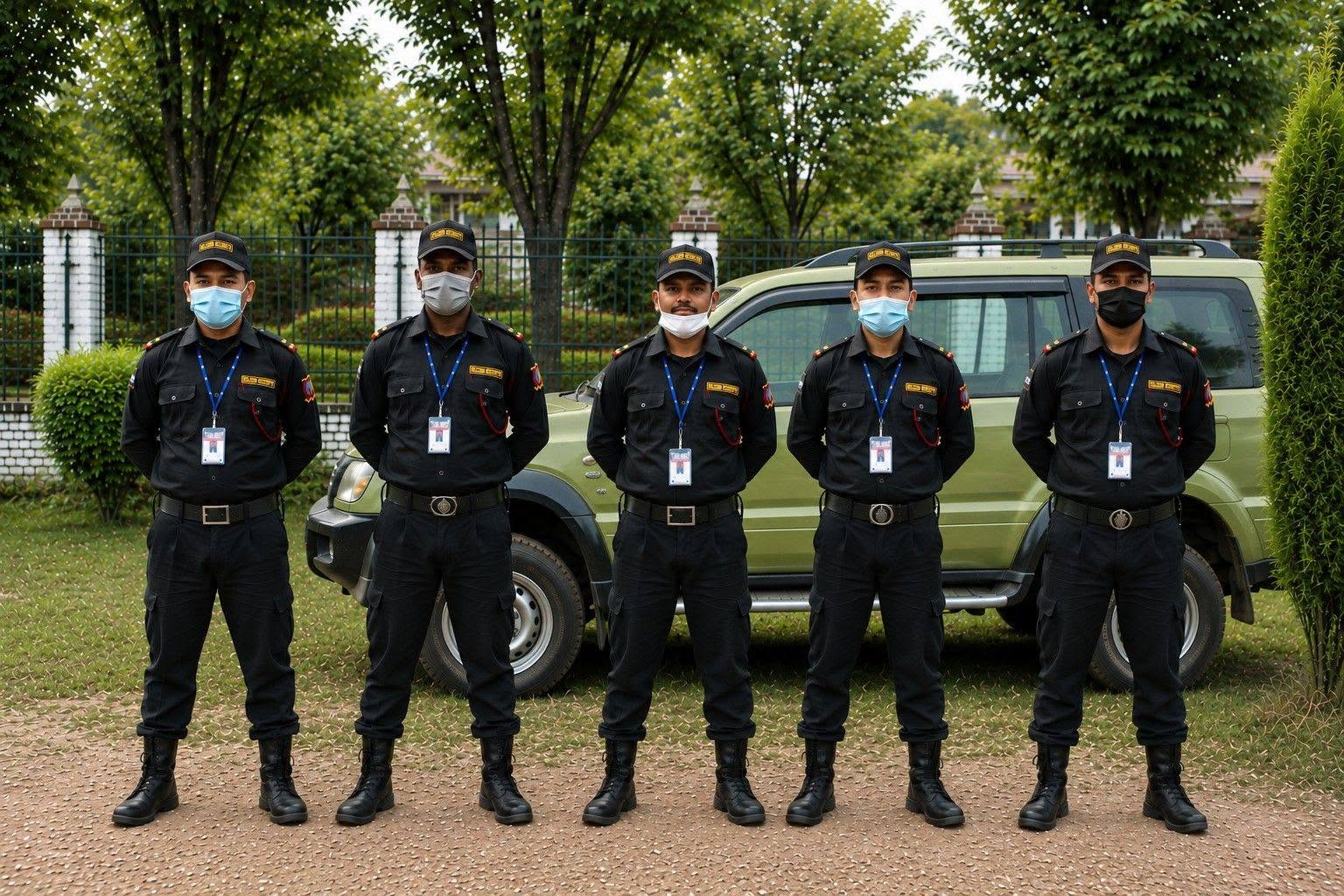
Fire safety and extinguisher use is one of the ten modules in Tilicho Security Service’s guard training, and recruits practise with real fire extinguishers. If you want guards who know what to do when smoke appears, talk to us about your building.